
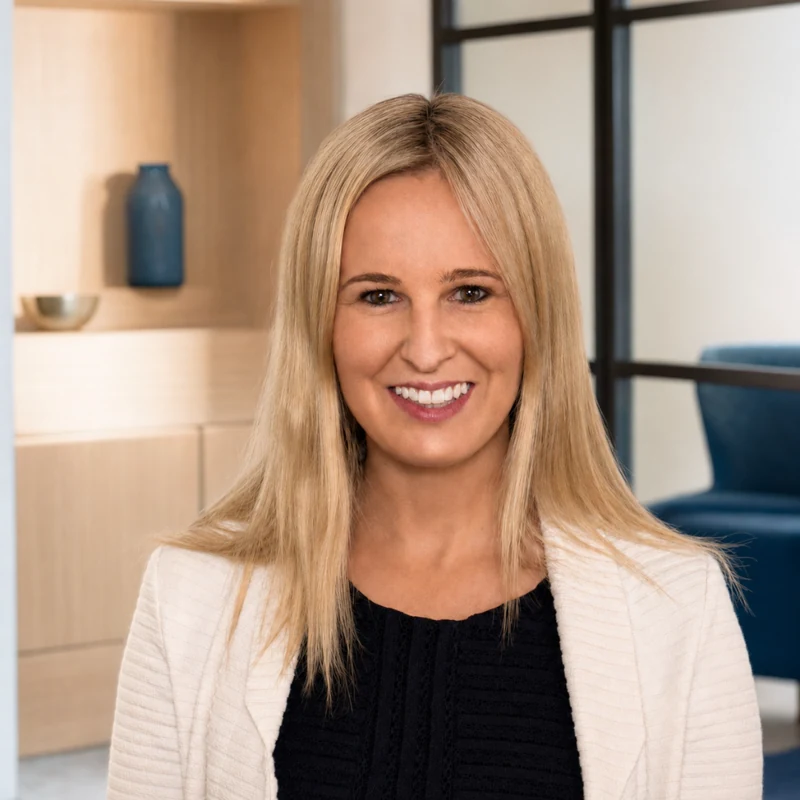
Dr Charlie Bamford, Clinical Director
Clinical Psychologist, DClinPsy · HCPC registered (PYL37547)
Charlie is a highly experienced Clinical Psychologist with 10 years’ experience assessing and supporting autistic children and adults. Before establishing The Neurodiversity Service, she held a senior leadership role within an NHS child autism pathway, where she managed clinical teams and helped improve assessment pathways, including reducing waiting times without compromising the quality or depth of care.
She has extensive experience leading complex assessments, particularly where autism may overlap with ADHD, mental health needs, language differences or learning needs. This enables her to make sense of nuanced presentations and ensure each assessment considers the person’s strengths, needs and lived experience.
Charlie combines clinical expertise with a calm, compassionate and highly individual approach. She takes time to understand how each person experiences the world, adapting her communication so children and adults can engage naturally and comfortably. This individual understanding is brought together with the expertise of a neurodiversity-affirming multidisciplinary team.
Beyond diagnosis, Charlie is committed to helping people understand their experiences, build confidence in their identity and advocate for the support they need. She has published multiple research articles and is currently researching the impact of post-diagnostic identity groups for autistic teenagers.
Qualifications and registration
- BSc Psychology, University of Birmingham
- MRes Clinical Research Psychology, University of Birmingham
- Doctorate in Clinical Psychology (DClinPsy), University of Birmingham
- Postgraduate Diploma in Paediatric Neuropsychology, University of Birmingham
- Postgraduate Certificate in CBT Supervision, University of Birmingham
HCPC registered Practitioner Psychologist, registration number PYL37547. You can check any registration on the HCPC register.
How Dr Bamford approaches assessment
Assessments at The Neurodiversity Service are carried out by HCPC-registered clinicians and are informed by the NICE guidelines, with the same standardised instruments used across the NHS and other regulated providers. Information is gathered from more than one source and considered together, so that no conclusion rests on a single appointment.
Every assessment is reviewed by a clinical panel chaired by a Clinical Psychologist before the report is written. The panel considers whether autism best explains the patterns across a person’s life, and gives real attention to whether something else, or something additional, describes the picture more accurately.
Assessment, as the service describes it, is about developing a fuller understanding of how somebody experiences the world, what may be influencing those experiences and what support might be helpful moving forward. The framework behind every assessment is set out on our clinical standards page.
Guides written by Dr Bamford
- Why an assessment is not about proving somebody is autistic20 November 2026
- Autistic burnout: capacity, not motivation17 November 2026
- Why your battery is low before breakfast16 November 2026
- Autism or ADHD? How they overlap and how they differ13 November 2026
- What does autistic burnout feel like?10 November 2026
- What happens on the day of an autism assessment9 November 2026
- How long does a private autism assessment take?8 November 2026
- How to choose a private autism assessment provider: ten things to check8 November 2026
- What is post-diagnostic autism support?8 November 2026
- AuDHD: why autism and ADHD together can feel different from either alone5 November 2026
- After-school restraint collapse: fine at school, falling apart at home3 November 2026
- After an adult autism diagnosis26 October 2026
- Post-diagnostic support: what it is, and what to look for26 October 2026
- Autism in women: understanding something that was always there13 September 2026
- What happens in an adult autism assessment?13 September 2026
- Understanding autistic girls: what people often miss28 July 2026
- Supporting autistic girls: what actually helps28 July 2026
- Why are girls diagnosed with autism less often than boys?27 July 2026
- Autism in girls: masking, school and the stereotypes18 July 2026
- Will schools and the NHS accept a private diagnosis?18 July 2026
- What happens in a child autism assessment?18 July 2026
- How much does a private autism assessment cost?17 July 2026
- Right to Choose vs private: an honest comparison17 July 2026
In the press
- What makes an autism assessment report genuinely useful to a school?Special Needs Jungle, 14 October 2026
- New autism assessment clinic opens in StaffordshireExpress & Star, 27 October 2026
Talk through what you are noticing on a free 15-minute call with a member of the team, with no commitment.
Book a free 15-minute call