
After diagnosis
What is post-diagnostic autism support?
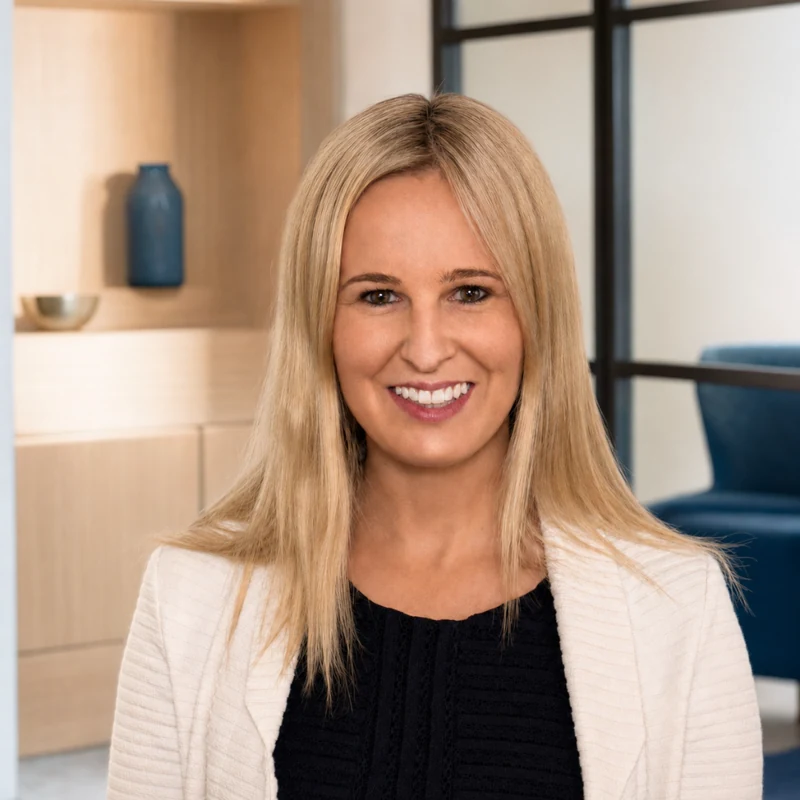
Clinical Director
Receiving an autism diagnosis can answer an important question. It does not automatically tell somebody what being autistic means for them.
A diagnostic report might describe sensory differences, communication, relationships, interests, routines and patterns that have been present for many years. Understanding those ideas in theory is one thing. Recognising them in your own life, finding language for them and working out what helps can take considerably longer, and this is often where post-diagnostic support can be useful.
Good post-diagnostic support is not about teaching somebody how to be autistic, nor is it therapy designed to make them less autistic. At its best, it provides space to develop a more personal understanding of strengths, difficulties, preferences and needs, and gradually become more confident communicating those things to other people.
Key facts
- Post-diagnostic autism support helps somebody understand what being autistic means for them: their own strengths, difficulties, preferences and needs.
- Common themes include sensory experiences, communication, stress and overload, energy and interests, and masking where it matters, with self-advocacy running throughout.
- It looks different for everybody, and for a child or adult who uses little or no spoken language, family is usually more involved.
- At The Neurodiversity Service it is a time-limited programme of six 1:1 sessions with the same clinician, online or in person.
Knowing about autism and understanding your own autism are different things
Autism is sometimes described as though everybody sits somewhere on a single line, with people being more or less autistic, although that rarely captures the reality particularly well.
It can be more helpful to think about an individual profile made up of many different areas. Communication, sensory processing, uncertainty, social experiences, interests, emotional awareness, attention, routines and executive functioning may all look quite different from one autistic person to another.
Somebody may find spoken communication relatively easy but struggle considerably with sensory environments. Somebody else may experience relatively few sensory difficulties but expend enormous amounts of energy navigating relationships. Another person may have strong communication skills and considerable sensory needs whilst also living with ADHD, dyspraxia or another neurodevelopmental difference that shapes the picture further.
Understanding the diagnosis therefore involves moving gradually from what is autism? towards what does autism look like for me?, which is often where post-diagnostic work begins.
Making room for the good and the difficult
There can sometimes be pressure for conversations about neurodiversity to become relentlessly positive. Strengths matter, and many autistic people describe interests, knowledge, creativity, honesty, attention to detail, loyalty or particular ways of thinking as important parts of who they are.
That does not mean being autistic is easy. Some situations genuinely require more effort: sensory experiences can be painful, communication can be exhausting, friendships can be confusing, and unexpected change can derail a day that had required considerable preparation to manage. Having to repeatedly explain why you need an adjustment can become frustrating in its own right, and post-diagnostic support should have room for both.
The aim is not to turn every difficulty into a strength or every autistic characteristic into something positive. It is to develop an understanding that feels believable to the person themselves, including the things they value and the things they wish were easier.
Understanding your sensory world
Sensory experiences are a good example of something that can look very different once somebody understands what is happening.
It might be the noise of a classroom, hair touching the face, the pressure of clothing, the feeling of a bra, certain food textures, unexpected touch, bright lighting or a need for considerably more movement than the people around you seem to need.
Before somebody understands their sensory profile, these experiences can simply feel irritating, inexplicable or overwhelming. Learning about sensory processing can make them less mysterious, and it also creates opportunities to notice what regulates the nervous system as well as what overwhelms it.
That matters because sensory strategies are only useful when they fit the individual. One person may recover through silence and reduced input, whilst somebody else needs movement, music, pressure or time outdoors. The aim is not to build a standard autistic sensory toolkit but to discover what belongs in each person’s own.
Finding the communication that works for you
Communication is another area where understanding can be surprisingly validating.
Many autistic people describe finding indirect language frustrating, struggling to work out whether somebody means exactly what they have said, or understanding the words in a text message whilst remaining completely uncertain about its tone. Others know exactly what they are experiencing internally but find translating it into spoken language much harder, particularly when distressed or overwhelmed.
Post-diagnostic work can create space to think about those experiences without assuming the solution is simply to communicate more like everybody else.
Some people prefer clear, direct language. Some need longer to process a question. Others communicate more effectively through writing or text when speech becomes difficult, and some discover that communication feels considerably easier with particular people because less translation seems to be required. Understanding those preferences makes it easier to begin telling other people about them.
Learning to recognise stress before it becomes overload
Understanding emotions can be complicated too. Some autistic people can identify exactly what they are feeling, whilst others recognise that something has changed internally but find it difficult to differentiate anxiety from anger, excitement, exhaustion or sensory overload.
If identifying an emotion accurately is difficult, repeatedly asking “How anxious am I?” may not be particularly useful.
Sometimes it is more helpful to learn the broader pattern. What happens to concentration? Does noise become harder to tolerate? Does talking require more effort? What happens to sleep? Does the need for routine increase? Does everything start to feel slightly more irritating?
This allows support to shift away from requiring perfect emotional identification and towards recognising what helps keep somebody regulated across the day.
It also creates space for honest conversations about meltdowns, shutdowns and overload. These experiences can be frightening or exhausting, and they may also sometimes be followed by relief. Understanding what happens before, during and after them can be more useful than treating them simply as behaviours that need to stop.
Understanding where your energy goes
Many autistic people become very good at doing things that cost them a considerable amount of energy. School, work, socialising, travelling or simply being in a busy environment can all draw on that energy differently.
Some people find ideas such as phone batteries useful for thinking about this. The particular analogy matters less than the question underneath it: what is using energy, and what genuinely puts some of it back?
For many autistic people, interests are an important part of the answer. An interest may offer enjoyment, familiarity and a sense of competence. It may provide an easier way to connect with somebody else or a subject where conversation feels natural rather than effortful, and some interests remain important for decades and become remarkably consistent parts of somebody’s life.
Recovery might also involve exercise, silence, movement, music, familiar routines, time alone or contact with particular people. Understanding what restores you makes it easier to protect those things rather than viewing them as optional extras.
Masking, when it matters
Masking is important for some autistic people and much less central for others, and where it is relevant, the conversation needs some nuance.
Masking can be exhausting, particularly when somebody spends large parts of the day monitoring their face, language, movement or responses. It can also be useful. People mask for reasons, including privacy, safety, employment and navigating situations where being visibly different carries consequences.
The aim therefore does not need to be stop masking; more useful questions might involve recognising when it is happening, what it costs, where it feels necessary and which relationships require less of it.
Some people also begin wondering which version of themselves is authentic after years of adapting to different environments. Often there is no simple answer. What can be revealing is noticing the people and places where less monitoring is required, and recognising the value of relationships in which difference feels safe.
From understanding yourself to advocating for yourself
Self-advocacy tends to become easier when somebody has language for what they are advocating for. It is difficult to tell a school, university or employer that you need an adjustment when you are still wondering whether you are being unreasonable for needing it.
This is why self-advocacy runs through post-diagnostic work rather than sitting neatly at the end of it. Understanding sensory needs makes it easier to request sensory adjustments, recognising communication preferences makes it easier to ask for information in writing, and understanding energy and recovery makes it easier to explain why downtime matters.
That does not make asking easy. Sometimes advocating for yourself is uncomfortable, and sometimes another person needs to help. The important shift is becoming less likely to dismiss your own experience simply because somebody else does not immediately understand it.
Post-diagnostic support will not look the same for everybody
Not every autistic person needs to explore all of these themes. Somebody who has already spent years learning about autism may want to focus almost entirely on work, relationships or self-advocacy, whilst another person may be starting with very little understanding of their diagnosis.
Support for a child or adult who uses little or no spoken language may look different again, with greater involvement from family and more emphasis on sensory regulation, communication, preferences and helping other people understand what the person is expressing.
The purpose is not to take everybody through the same programme, but to use these themes as possible starting points for understanding the individual.
How The Neurodiversity Service approaches post-diagnostic support
Post-diagnostic support is not necessarily therapy, and at The Neurodiversity Service our programme is deliberately time-limited and is not based on asking somebody to change their thoughts or become less autistic. The themes provide structure, but the emphasis depends on the person.
For some people, the most useful conversations will be about communication. For others they will be about sensory experiences, relationships, masking, emotions, interests or adjustments. Families may sometimes need help understanding the same profile from a different perspective.
The overall aim is to help somebody develop a more accurate understanding of themselves, build language for their experiences and become more confident recognising and communicating what works for them.
A diagnosis can be an important starting point. Developing a personal understanding of autism usually takes longer, and that understanding can continue changing as somebody grows, encounters different environments and learns more about themselves. Post-diagnostic support simply provides some dedicated space for that process to begin.
Our 1:1 Exploring Autistic Identity programme is six one-hour sessions with the same clinician, online or in person, and it ends with a written summary that can be shared with school, work or a GP if the person chooses. The first session sets the focus, and the themes above are often the starting points, although the work can also include signposting, referral letters and thinking through which other services might be helpful.
If an assessment with us doesn’t lead to an autism diagnosis, the sessions are used to understand the explanation the assessment does offer, whether that is a learning need, language differences, ADHD, a physical health need or something about relationships and family life, and how it shapes everyday life. We also run a small group programme for teenagers who are comfortable in a shared setting, which starts once enough young people have registered an interest, so it works from a waiting list. Single sessions can be booked as needed, and the programme is open to anybody with an autism diagnosis, wherever they were assessed, with no referral needed. Until 31 December 2026, the 1:1 programme is included with every child or adult autism assessment booked with us, and terms apply.
1:1 Exploring Autistic Identity programme £800 · single sessions £150 each · small group programme for teenagers from a waiting list. Post-diagnostic support options and booking
Frequently asked questions
Is post-diagnostic support the same as therapy?
Not necessarily. Our programme is deliberately time-limited and is not based on asking somebody to change their thoughts or become less autistic. The aim is a more accurate understanding of yourself, language for your experiences and more confidence communicating what works for you, and it can sit alongside therapy where somebody already has it.
Who is it for?
Children, teenagers and adults with an autism diagnosis, whether they were assessed by us, by the NHS or by another provider. For younger children, parents are usually part of the sessions.
I already know a lot about autism. Is it still useful?
It can be. Somebody who has spent years learning about autism may want to focus almost entirely on work, relationships or self-advocacy, and the emphasis is set by the person rather than by a fixed programme.
What about a child or adult who uses little or no spoken language?
Support may look different, with more involvement from family and more emphasis on sensory regulation, communication, preferences and helping other people understand what the person is expressing.
Can the sessions help with other services?
Yes. The work can include signposting, referral letters and thinking through which other services might be helpful for the person to access.
What if the assessment doesn't lead to an autism diagnosis?
The sessions are still yours. They are used to understand the explanation the assessment does offer and how it shapes everyday life, with time to think about strengths and difficulties, how to explain them to other people, and what might make things easier.
How many sessions are there?
The 1:1 programme is six one-hour sessions, and single sessions can be booked as needed after that.
References
- NICE CG142, Autism spectrum disorder in adults: diagnosis and management. https://www.nice.org.uk/guidance/cg142
- NICE CG170, Autism spectrum disorder in under 19s: support and management. https://www.nice.org.uk/guidance/cg170
- National Autistic Society, After diagnosis. https://www.autism.org.uk/advice-and-guidance/topics/diagnosis/after-diagnosis
Talk it through first. A free 15-minute call with a member of the team, whether your diagnosis was made with us or elsewhere, to work out whether post-diagnostic support would help.
Book a free 15-minute callGeneral information, not clinical advice. Published November 2026.
Dr Charlie Bamford, DClinPsy, Clinical Director
BSc Psychology · MRes Clinical Research Psychology · Doctorate in Clinical Psychology · PgDip Paediatric Neuropsychology · PgCert CBT Supervision · HCPC registered (PYL37547)
Dr Charlie Bamford is a Clinical Psychologist and Clinical Director at The Neurodiversity Service. She works with children, young people, adults and families seeking to better understand neurodevelopmental differences. Charlie has a particular interest in neuroaffirmative assessment, identity, self-understanding and helping people make sense of their experiences beyond diagnostic labels alone.