
What happens on the day of an autism assessment
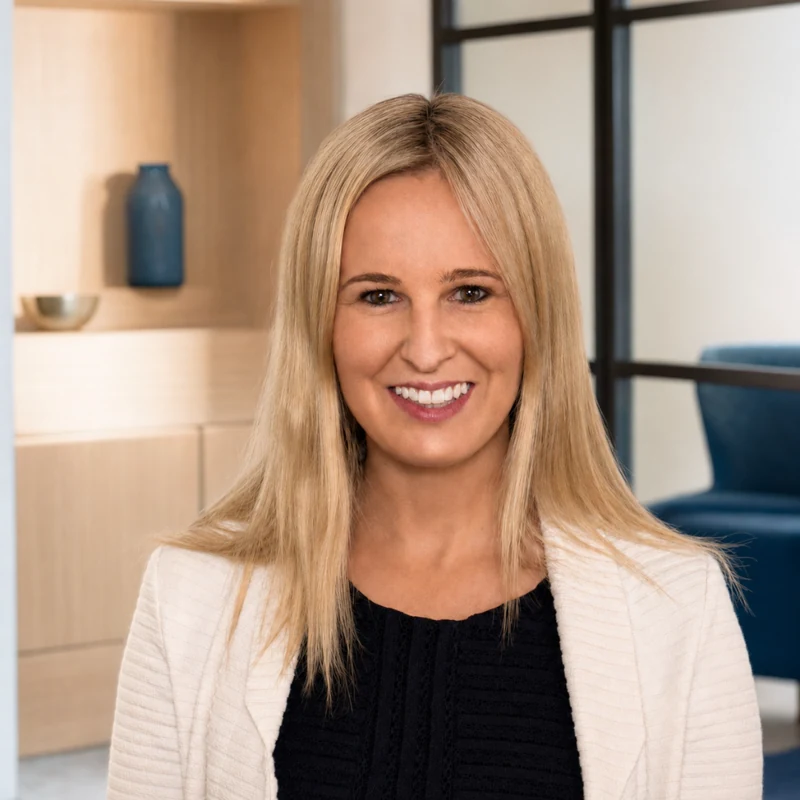
Clinical Director
The day of an autism assessment is mostly conversation, with some structured activities, in a calm room, at a pace that suits the person being assessed. There is nothing to pass or fail and nothing to revise for. Breaks are allowed whenever they are needed, you can bring things that help, and a parent or supporter can usually be present. Many people say afterwards that it was easier than they expected, and some, children especially, say they enjoyed it.
Why the day feels bigger than it is
By the time somebody arrives for an assessment, they have often been thinking about it for months or years. The day can come to stand for all of that waiting, so it is understandable that it feels like an exam or an interview. It is neither. The clinicians will usually have read the questionnaires and background information you sent, and the sessions are there to understand the person, not to catch them out.
It also helps to know that the day is not the whole assessment. It sits alongside the developmental history, information from school or work, and any other reports, and the conclusion comes from all of these together at the clinical panel. If somebody has a difficult morning, is unusually quiet, or does not "show" the things you see at home, that does not decide anything on its own. The clinicians will know, because you will have told them, and they take it into account.
The room
Our assessment room is a quiet consulting room, with natural light, two comfortable chairs, a low table and a drawing table for children. The lighting can be adjusted and there is space to move around. If bright light, noise or particular smells are difficult, tell us beforehand and we will set the room up accordingly. Online sessions follow the same pattern; the person can join from somewhere they feel comfortable, with the camera where it suits them.
The first ten minutes
The first part of the day is simply getting settled. The clinician introduces themselves, explains what will happen and roughly how long each part takes, and checks whether anything would make the session easier: a break plan, a fidget, the lights lower, a parent in the room or not. For children, this usually involves something to look at or do with their hands whilst the adults talk. Nobody is asked difficult questions straight away.
Parents sometimes describe being surprised by how ordinary this part is. It is meant to be, because a relaxed start usually means the rest of the day gives a truer picture of the person.
What the sessions involve
The day is made up of conversation and, where it is clinically useful, structured activities. Our assessments use recognised assessment tools, including the ADOS-2 where clinically indicated. For a child this can often look a lot like play: talking about a book, building something, telling a story from pictures. For a teenager or adult it is more like a guided conversation about everyday life, friendships, work or school, routines, and what is easy and what is hard.
There are no wrong answers. If a question does not make sense, the person can say so. If they would rather write or draw an answer than say it, that is fine. The clinician is interested in how somebody communicates and thinks, not in whether they can perform under pressure.
Parents of younger children usually spend part of the time with the clinician separately, talking through development and what home life is like.
Breaks, food and leaving the room
Breaks are built in, and anybody can ask for an extra one at any time. Bring a drink and a snack, particularly for children; a familiar snack can make a long morning much easier. If somebody needs to leave the room for a few minutes, they can. If a session is not working on the day, because somebody is unwell or overwhelmed, we stop and arrange another time rather than push on.
What to bring
Something that helps the person feel settled: headphones, a comfort object, a fidget, a book, a favourite pen. Glasses or hearing aids if they are used. Any reports you have not already sent. You do not need to bring school work, prepare answers, or rehearse anything.
What you do not need to do
You do not need to make sure your child is at their worst, or at their best. You do not need to have a perfect memory of early development; approximate is fine, and baby books or old photos can help if you have them. Adults do not need to explain or justify why they want an assessment. And nobody needs to mask or "try hard" for the clinicians. The most useful thing anybody can do is be as they usually are.
After the day
At the end, the clinician explains what happens next: the clinical panel, chaired by a Clinical Psychologist, reviews everything, and you receive a full written report with recommendations within two weeks of the final session, followed by a feedback appointment to go through it together. The day itself does not end with a conclusion, and it is normal to leave without one. Many people find that simply having had the day, and having been listened to, is a relief in itself.
Questions about the day itself? A free 15-minute call is the easiest way to ask, with no obligation.
Frequently asked questions
Can I stay in the room with my child?
Usually, yes, for some or all of the time. The clinician will talk with you about what works best for your child; some children do better with a parent present, others with a little time on their own.
What if my child refuses to take part?
That happens and it is not a problem. The clinicians are experienced with children who are anxious, unsure or simply not in the mood. They will slow down, try a different approach, or arrange another session if needed.
Do I need to tell my child what it is for?
That is your choice. Many parents describe it as a chance to talk with somebody whose job is to understand how children think and learn. We can talk this through with you beforehand.
Can an adult bring somebody with them?
Yes. A partner, family member or friend can come along, and they can sometimes add useful information about childhood or everyday life if the person being assessed would like them to.
General information, not clinical advice. Correct at November 2026.
Dr Charlie Bamford, DClinPsy, Clinical Director
BSc Psychology · MRes Clinical Research Psychology · Doctorate in Clinical Psychology · PgDip Paediatric Neuropsychology · PgCert CBT Supervision · HCPC registered (PYL37547)
Dr Charlie Bamford is a Clinical Psychologist and Clinical Director at The Neurodiversity Service. She works with children, young people, adults and families seeking to better understand neurodevelopmental differences. Charlie has a particular interest in neuroaffirmative assessment, identity, self-understanding and helping people make sense of their experiences beyond diagnostic labels alone.