How to choose a private autism assessment provider: ten things to check
Clinical Director
This guide is written for anybody comparing private autism assessment providers, including people who will not choose us. Assessments differ far more than their prices suggest, and the differences that matter are rarely visible on a homepage. The ten checks below are the questions we would want answered before booking for our own families. Each one ends with a plain line about what we do, so you can compare like with like.
Key facts
- Ask who carries out and reviews the assessment, and whether each clinician is registered with the HCPC or the GMC.
- A thorough assessment is informed by the NICE guidelines and draws on more than one source of information: history, observation and school or workplace.
- A feedback session, a written report within a stated time, and a clear answer about what happens if the outcome is not autism are all reasonable things to expect.
- Price alone does not tell you how thorough an assessment is; what is included does.
1. Who carries out and reviews the assessment, and are they registered?
What to ask. Which clinicians will you see, what are their professions, and are they registered with the HCPC or the GMC? Who reviews the conclusions before the report is written?
Why it matters. Registration means a clinician is accountable to a statutory regulator, with standards of training and conduct. A second clinical view on the conclusions reduces the chance that one person's impression decides the outcome.
What we do. Our assessments are carried out by HCPC-registered clinicians, and every assessment is reviewed by a clinical panel chaired by a Clinical Psychologist.
2. Is the assessment informed by the NICE guidelines?
What to ask. Which guideline does the provider work to for children (CG128) and for adults (CG142), and how does that shape what they gather?
Why it matters. The NICE guidelines set out what a good autism assessment draws on. A provider who can say how their process relates to them is describing a process, not a promise.
What we do. Our assessments are informed by the NICE guidelines for children and adults, and our clinical standards page lists the guideline behind each pathway.
3. How many sources of information are used?
What to ask. Beyond the appointment itself, what else goes into the assessment: a developmental history, questionnaires, information from school or the workplace, somebody who has known the person a long time?
Why it matters. Nobody shows the whole picture in one room, and children in particular can look very different at school and at home. The more settings an assessment draws on, the less it depends on a single afternoon.
What we do. We gather a developmental history and questionnaires completed at home, information from school for children with your consent, and an informant's view for adults where one is available.
4. Which tools are used, and are they chosen for the person?
What to ask. Which assessment tools does the provider use, and are they selected for the individual rather than used by default with everybody?
Why it matters. Tools contribute one kind of information. Used by default, they can miss people who mask well or who do not match the picture a tool was designed around.
What we do. We use recognised assessment tools, including the ADOS-2 where clinically indicated, alongside history, observation and information from other settings.
5. Is a feedback session included, whatever the outcome?
What to ask. Will somebody go through the report with you, and does that happen whether or not a diagnosis is made?
Why it matters. A report handed over without explanation is hard to act on. The feedback session is where the findings become useful, and it matters just as much when the answer is not autism.
What we do. Every assessment includes a feedback appointment to go through the report together, whatever the outcome.
6. What is in the report, and can you see a sample first?
What to ask. How long is a typical report, what does it cover, and can you see an anonymised example before you book?
Why it matters. The report is what schools, GPs, employers and councils will read. Reports that describe needs and make specific recommendations tend to be more useful than reports that record a diagnosis and little else. Our guide on whether a private diagnosis is accepted explains what professionals look for.
What we do. Our reports are written to a professional standard and intended for use across health, education and support settings. The report section of each service page describes what they contain; an anonymised sample report is in preparation.
7. How long until the report arrives?
What to ask. What is the provider's stated time from the final appointment to the written report, and what happens if it slips?
Why it matters. A stated timescale lets you plan around school meetings, work conversations or an EHC needs assessment. Our guide to how long a private autism assessment takes sets out each stage.
What we do. You receive the written report within two weeks of the final session.
8. What happens if the outcome is not autism?
What to ask. Do you still receive a full report, does it explain what does fit, and is there a feedback session?
Why it matters. A good assessment stays open to more than one explanation. If a provider cannot describe what happens when the answer is no, it is worth asking why.
What we do. You still receive a full report explaining the team's understanding, reasoning and recommendations, and a feedback session to talk it through. You pay for an assessment, not a diagnosis.
9. What post-diagnostic support is included or available?
What to ask. Is there anything after the report: sessions with the same clinician, a group, single appointments? Is it included, or priced separately, and is it open to people diagnosed elsewhere?
Why it matters. A diagnosis on its own rarely changes much. Dr Charlie Bamford explains what post-diagnostic autism support is and what it is not.
What we do. Our 1:1 Exploring Autistic Identity programme is six sessions with the same clinician, online or in person, open to anybody with an autism diagnosis. Until 31 December 2026 it is included with every child or adult autism assessment booked with us (offer terms).
10. How does the provider handle regulation, complaints and your data?
What to ask. Is the provider CQC-registered, and if not, why not? Is there a written complaints procedure? Who holds your data, and is the provider registered with the ICO?
Why it matters. A diagnostic-only service can sit outside CQC registration under CQC's own guidance; what matters is that the provider says so clearly and explains what governs it instead.
What we do. We explain our position on why we are not CQC-registered, publish our complaints policy and set out how we handle your data in our privacy notice. We are registered with the ICO and hold Cyber Essentials Plus certification.
If a provider answers all ten clearly, you have most of what you need. Where you would be seen is on find a clinic, and what a private assessment costs covers prices and payment plans.
Frequently asked questions
Does a private autism assessment provider have to be CQC registered?
Not when the service is diagnostic only. CQC's own guidance places diagnostic assessment without treatment outside its scope, which is our position. What you can check instead is that each clinician is registered with the HCPC or the GMC, and how the provider handles complaints and your data.
Is a cheaper assessment a worse one?
Price alone does not tell you. A lower fee can reflect a shorter process, a single clinician or a briefer report, but not always. Use the ten checks: how many sources of information are used, who reviews the conclusions and what happens after the report tell you more than the headline number.
Can I switch provider part-way through?
Yes, although it usually means starting the process again, because each provider gathers its own history and information. If you are unhappy with how an assessment is going, ask the provider to explain what happens next; a good service will give you a clear answer.
Should I choose in person or online?
Both can be thorough when the process is the same. In person suits some children and anybody who finds video calls hard; online removes travel and an unfamiliar building. Ask whether the clinicians, the assessment and the report are identical whichever you choose.
References
- NICE CG128, Autism spectrum disorder in under 19s: recognition, referral and diagnosis. https://www.nice.org.uk/guidance/cg128
- NICE CG142, Autism spectrum disorder in adults: diagnosis and management. https://www.nice.org.uk/guidance/cg142
- National Autistic Society, Diagnosis. https://www.autism.org.uk/advice-and-guidance/topics/diagnosis
Ask us the ten questions. A free 15-minute call with a member of the team, with no pressure and nothing to sign up to; we will answer each one honestly.
Book a free 15-minute callGeneral information to help you compare providers, not clinical advice. Published November 2026.
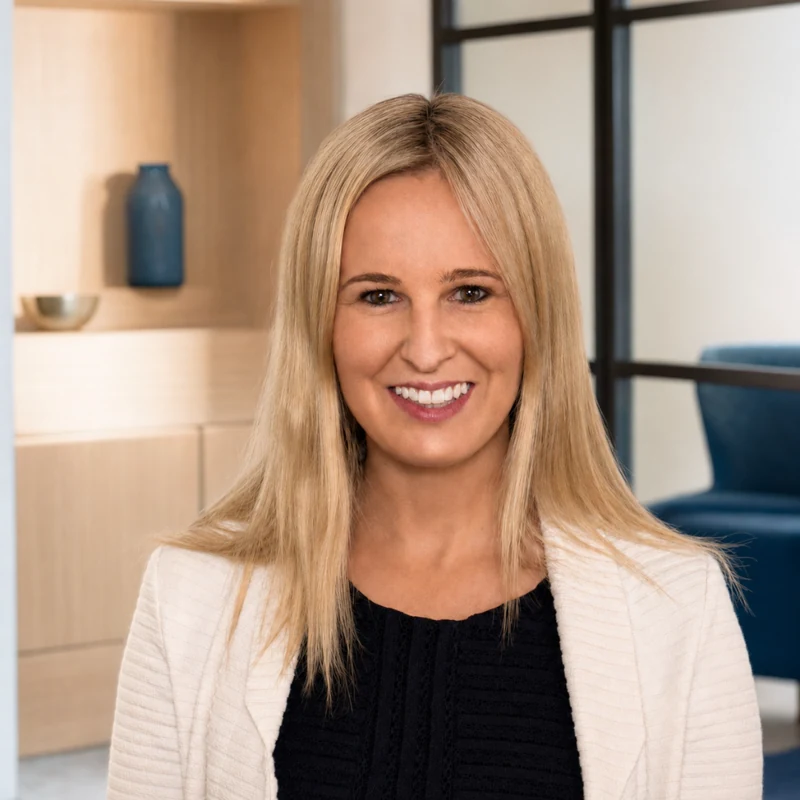
Dr Charlie Bamford, DClinPsy, Clinical Director
BSc Psychology · MRes Clinical Research Psychology · Doctorate in Clinical Psychology · PgDip Paediatric Neuropsychology · PgCert CBT Supervision · HCPC registered (PYL37547)
Dr Charlie Bamford is a Clinical Psychologist and Clinical Director at The Neurodiversity Service. She works with children, young people, adults and families seeking to better understand neurodevelopmental differences. Charlie has a particular interest in neuroaffirmative assessment, identity, self-understanding and helping people make sense of their experiences beyond diagnostic labels alone.