
Why an assessment is not about proving somebody is autistic
Clinical Director
An autism assessment is not a test that somebody passes or fails, and its purpose is not to prove that a person is autistic. Its purpose is to understand how a person experiences the world, where their strengths and difficulties come from, and which explanation, or combination of explanations, fits best. Sometimes the answer is autism, and sometimes it is something else, or several things together. A good assessment is worth having either way, and so the most useful question to ask of it is not whether the answer will be yes, but whether you will understand more at the end than you did at the start.
The question people arrive with
Many people come to an assessment having already done a great deal of thinking. They may have read about autism, completed questionnaires online and recognised themselves or their child in what they read, and they often arrive with a view that is reasonable and sometimes right. The difficulty is that this can make the assessment feel like an exam, with a right answer that has to be reached.
That feeling is very understandable, and it can shape how people talk about themselves on the day. Parents may focus on the hardest moments and say less about what goes well, worried that the good days might count against the outcome, and adults may describe themselves as they were at their lowest rather than as they are now. This comes from caring a great deal about the outcome, and it is something clinicians recognise and expect. It does mean, though, that the easier days are as important to hear about as the hard ones, because an accurate picture needs both.
What the assessment is trying to understand
The clinicians' question is a little different from the one people bring. Rather than simply asking whether somebody meets the criteria, they are asking what is going on for this person, and why. A thorough assessment looks at developmental history going back to early childhood, and at how a person manages in different settings and with different people. It also looks at sensory experience, communication, attention, emotional regulation and energy, and at what has already been tried. It is interested in what comes easily as well as what is difficult, because somebody's strengths often tell us as much as their difficulties.
From that picture, the clinicians work towards an explanation. In clinical language this is called a formulation, and in plainer terms it is a fuller understanding of a person's experiences and where they come from. Autism may be the explanation that fits best, or it may be ADHD, anxiety, a language difference, the effects of experiences the person has lived through, or more than one of these together. These are not competing answers with one right option, as in a quiz. They are different ways of understanding the same life, and the work is in finding which one, or which combination, explains the most.
Why "proving it" is the wrong aim
An assessment that set out to prove autism would be likely to find what it was looking for, and it could miss other explanations that matter. Somebody whose difficulties come largely from anxiety might be given a description that doesn't quite fit, and support built on that description wouldn't quite help. Somebody who is both autistic and has ADHD might have only part of their experience explained, and be left without an understanding of the rest.
There is a second reason. An assessment is only trustworthy if it could have reached a different conclusion. A report that describes somebody as autistic is useful to a school or an employer because it was written by people who would have said something different if the evidence had pointed elsewhere. This is also why, for the people who read a report, the quality of the clinical reasoning often matters more than the diagnosis itself.
If the assessment doesn't lead to an autism diagnosis
Many people worry that if the assessment doesn't lead to an autism diagnosis, they will come away with nothing. A good assessment should not leave anybody in that position. If the picture does not fit autism, the report should explain what it does fit, and that can be the more useful finding. Parents sometimes describe this as the moment things finally made sense, not because autism was confirmed but because something else was named.
The report also remains a detailed, professionally written account of how a person works, including their sensory experience, attention and communication, and what helps and what doesn't, and it can still inform support at school or work whatever the conclusion. The questions that brought somebody to the assessment still matter and still need answering, and the assessment has usually taken a large step towards answering them.
Curiosity on both sides
Assessments often go best when everybody involved can approach them with curiosity. That is easier said than done when so much may feel as if it rests on the outcome, but it can change the quality of the conversation. Describing an ordinary week rather than the hardest one, mentioning the things that come easily, and sharing the difficulties that don't seem to fit the expected picture all help the clinicians build a more accurate understanding, and an accurate understanding is the one that helps.
It can also help to hold the outcome lightly beforehand, although we know that isn't always easy. If the assessment confirms what somebody suspected, that understanding is now shared and written down, which changes what can be done with it. If it doesn't, something else has been understood instead, and either way the person is in a better place to know what might help.
How The Neurodiversity Service approaches this
Our assessments are informed by the NICE guidelines, and every assessment is considered at a multidisciplinary panel chaired by a Clinical Psychologist. We start from developmental history and information from more than one setting, we use recognised assessment tools, including the ADOS-2 where clinically indicated, and we write reports that explain our reasoning so that other people can use them. We take the same care over an assessment that doesn't lead to an autism diagnosis as over one that does, and every autism assessment ends with a one-hour support session after the outcome, whatever the outcome. Until 31 December 2026, autism assessments also include our post-diagnostic support programme, six 1:1 sessions after the assessment, whatever the outcome, because making sense of a report is important work in either case. Terms apply.
Our team can answer questions about the assessment process, reports and recommendations.
Frequently asked questions
Can an assessment be wrong?
Any assessment can be, which is why the process matters. Developmental history, information from more than one setting, more than one clinician and reasoning that is written down all make an inaccurate conclusion less likely.
What should I do if I think the conclusion is wrong?
Ask the clinicians to explain their reasoning, and tell them what you think may have been missed. A good team will take that seriously, and a report that explains its reasoning makes that conversation possible.
Do I need to behave in a particular way on the day?
No. The most helpful thing is to describe things as they usually are. An ordinary week, including what goes well, gives a more accurate picture than the hardest one.
If the assessment doesn't lead to an autism diagnosis, do I still get a report?
Yes. The report describes what has been understood about how a person works and what helps, whatever the conclusion, and you still have a support session after the outcome.
Is a private assessment more likely to lead to a diagnosis?
It shouldn't be. Whether an assessment is private or through the NHS, a good one follows the evidence, and what makes a report useful to a school or employer is that it could have reached a different conclusion.
Does the same apply to ADHD assessments?
Yes. An ADHD assessment, or a combined autism and ADHD assessment, is also about understanding rather than proving, and the same care goes into considering other explanations. We've written more about how the two overlap and differ in our guide to autism and ADHD.
Correct at November 2026. General information, not clinical advice. Informed by the NICE guidelines on autism in children, young people and adults.
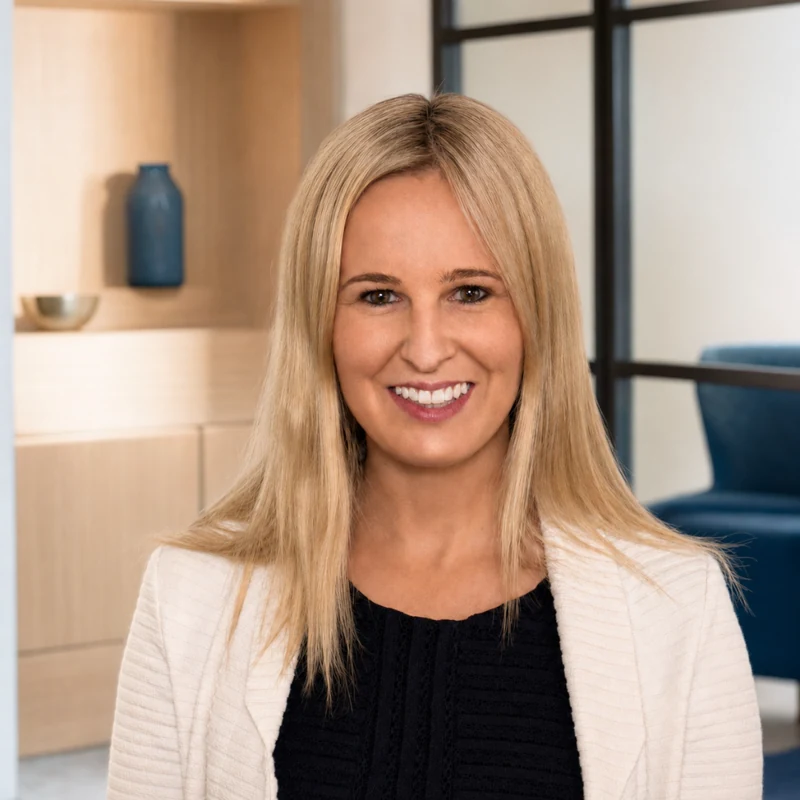
Dr Charlie Bamford, DClinPsy, Clinical Director
BSc Psychology · MRes Clinical Research Psychology · Doctorate in Clinical Psychology · PgDip Paediatric Neuropsychology · PgCert CBT Supervision · HCPC registered (PYL37547)
Dr Charlie Bamford is a Clinical Psychologist and Clinical Director at The Neurodiversity Service. She works with children, young people, adults and families seeking to better understand neurodevelopmental differences. Charlie has a particular interest in neuroaffirmative assessment, identity, self-understanding and helping people make sense of their experiences beyond diagnostic labels alone.